Currently Empty: 0.00$


200.00$
Training Kit Components: The training kit for this module includes a comprehensive set of resources to enhance the learning experience:
Branded PPT Slides: Professionally designed PowerPoint slides that align with the module’s themes, providing visual support for key concepts and facilitating engaging presentations.
Trainer Notes: Detailed notes for trainers, offering guidance on delivering the content effectively, including tips for engaging participants and facilitating discussions.
Activities and Workshops: Interactive activities and workshops that encourage hands-on learning, allowing participants to apply concepts in real-world scenarios and collaborate with peers.
Multiple Choice Questions (MCQs): A set of MCQs for both pre-assignment and post-assignment assessments, designed to evaluate participants’ understanding of the material and measure their progress throughout the training.
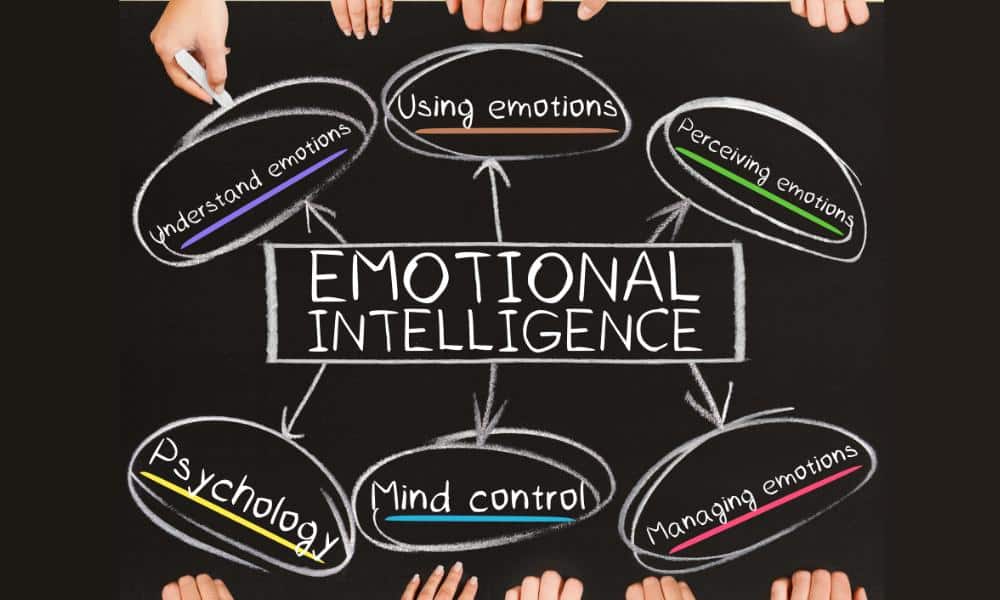
Emotional intelligence (EI) refers to the ability to recognize, understand, and manage our own emotions, as well as the emotions of others. It encompasses a range of skills that contribute to effective interpersonal interactions, including self-awareness, empathy, and relationship management. In today’s fast-paced and often stressful work environments, emotional intelligence is increasingly recognized as a critical factor for success. Individuals with high EI are better equipped to navigate social complexities, resolve conflicts, and foster positive relationships, making them valuable assets in both personal and professional settings. By understanding and developing emotional intelligence, individuals can enhance their communication skills, improve collaboration, and lead more effectively.
Types of Intelligence:
Understanding Emotions:
Emotional Awareness:
Self-Awareness:
Storytelling:
Social Awareness:
Relationship Management:
By incorporating these key components, emotional intelligence interviews can help organizations identify candidates who possess the interpersonal skills necessary for effective collaboration, leadership, and overall workplace success.