
Currently Empty: 0.00$


200.00$
Training Kit Components: The training kit for this module includes a comprehensive set of resources to enhance the learning experience:
Branded PPT Slides: Professionally designed PowerPoint slides that align with the module’s themes, providing visual support for key concepts and facilitating engaging presentations.
Trainer Notes: Detailed notes for trainers, offering guidance on delivering the content effectively, including tips for engaging participants and facilitating discussions.
Activities and Workshops: Interactive activities and workshops that encourage hands-on learning, allowing participants to apply concepts in real-world scenarios and collaborate with peers.
Multiple Choice Questions (MCQs): A set of MCQs for both pre-assignment and post-assignment assessments, designed to evaluate participants’ understanding of the material and measure their progress throughout the training.
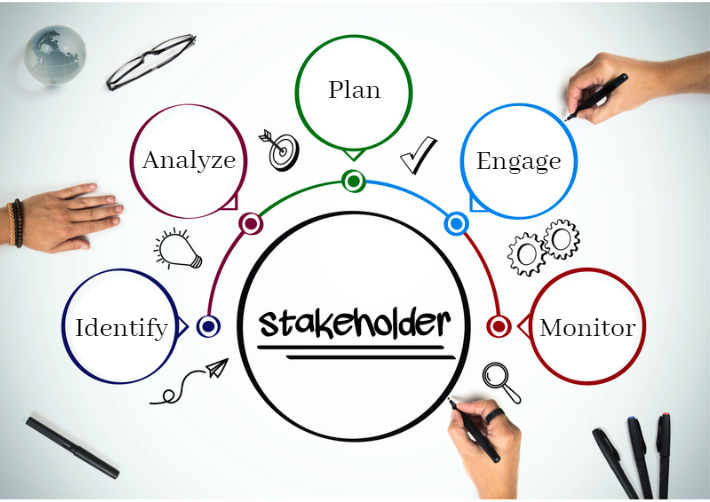
Stakeholder management is a critical aspect of project management and organizational success, focusing on identifying, engaging, and managing individuals or groups that have an interest in or are affected by a project or organization. Effective stakeholder management ensures that the needs and expectations of stakeholders are understood and addressed, facilitating smoother project execution and fostering positive relationships. This overview will cover the key components of stakeholder management, including identifying stakeholders, mapping stakeholders, understanding stakeholders, and strategizing stakeholder engagement.
Identify Stakeholders: The first step in stakeholder management is to identify all potential stakeholders associated with a project or organization. Stakeholders can include individuals, groups, or organizations that have an interest in the project’s outcomes, such as clients, team members, suppliers, investors, regulatory bodies, and the community. Identifying stakeholders involves conducting a thorough analysis to ensure that all relevant parties are recognized, as overlooking key stakeholders can lead to project challenges and conflicts.
Mapping Stakeholders: Once stakeholders are identified, the next step is to map them based on their influence and interest in the project. Stakeholder mapping is a visual representation that categorizes stakeholders into different groups, often using a matrix. Common frameworks include the Power/Interest Grid, which classifies stakeholders into four categories:
Understand Stakeholders: Understanding stakeholders involves gaining insights into their needs, expectations, motivations, and potential concerns regarding the project. This can be achieved through direct communication, surveys, interviews, and research. By understanding stakeholders, project managers can anticipate potential issues, address concerns proactively, and tailor communication strategies to meet their needs. This understanding fosters trust and collaboration, which are essential for project success.
Strategize Stakeholder Engagement: After identifying, mapping, and understanding stakeholders, the next step is to develop a stakeholder engagement strategy. This strategy outlines how to communicate and interact with stakeholders throughout the project lifecycle. Key elements of a stakeholder engagement strategy include:
In conclusion, effective stakeholder management is essential for the success of any project or organization. By identifying stakeholders, mapping their influence and interest, understanding their needs, and strategizing engagement efforts, project managers can build strong relationships, mitigate risks, and enhance collaboration. This proactive approach to stakeholder management ultimately contributes to achieving project goals and fostering a positive organizational environment.