
Currently Empty: 0.00$


149.56$
Training Kit Components: The training kit for this module includes a comprehensive set of resources to enhance the learning experience:
Branded PPT Slides: Professionally designed PowerPoint slides that align with the module’s themes, providing visual support for key concepts and facilitating engaging presentations.
Trainer Notes: Detailed notes for trainers, offering guidance on delivering the content effectively, including tips for engaging participants and facilitating discussions.
Activities and Workshops: Interactive activities and workshops that encourage hands-on learning, allowing participants to apply concepts in real-world scenarios and collaborate with peers.
Multiple Choice Questions (MCQs): A set of MCQs for both pre-assignment and post-assignment assessments, designed to evaluate participants’ understanding of the material and measure their progress throughout the training.
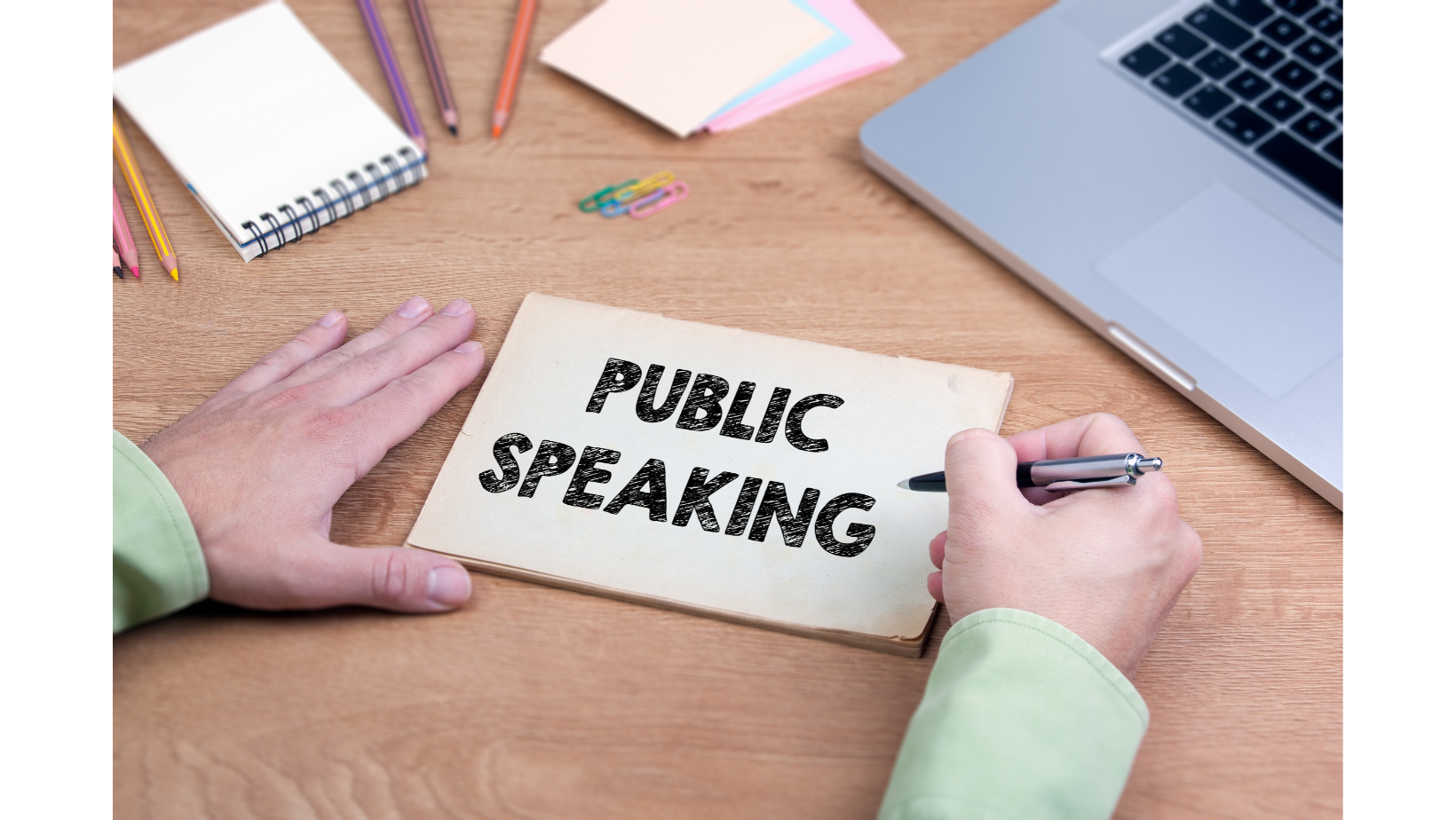
Storytelling and public speaking are powerful communication skills that enable individuals to convey messages, share experiences, and engage audiences effectively. Both disciplines rely on the art of narrative and the ability to connect with listeners on an emotional level. Mastering storytelling and public speaking can enhance personal and professional interactions, making ideas more relatable and memorable. This overview will explore the essentials of speaking in public, the elements of impactful storytelling, the components of a successful speech, and insights on how to “talk like TED.”
Speak in Public: Public speaking involves delivering a message to an audience, whether in a formal setting, such as a conference or presentation, or in more informal contexts, like team meetings or community events. Effective public speaking requires confidence, clarity, and the ability to engage listeners. Key techniques include understanding the audience, practicing delivery, managing anxiety, and using body language effectively. The goal is to communicate ideas clearly and persuasively while fostering a connection with the audience.
Impactful Storytelling: Storytelling is a fundamental aspect of human communication that transcends cultures and time. Impactful storytelling involves crafting narratives that resonate with the audience, evoke emotions, and convey messages effectively. A compelling story typically includes relatable characters, a clear conflict or challenge, and a resolution that offers insights or lessons. By using storytelling techniques, speakers can make their messages more engaging and memorable, helping audiences connect with the content on a deeper level.
Components of a Successful Speech: A successful speech is built on several key components:
Talk Like TED: TED Talks are renowned for their engaging and impactful presentations. To “talk like TED,” speakers can adopt several best practices:
In summary, storytelling and public speaking are essential skills that can transform the way individuals communicate and connect with others. By mastering the art of public speaking, crafting impactful stories, understanding the components of a successful speech, and adopting techniques used by TED speakers, individuals can enhance their ability to inspire, inform, and engage audiences effectively. These skills not only improve personal and professional interactions but also contribute to building a more compelling narrative in various contexts.